Nothing Ventured, Nothing Gained
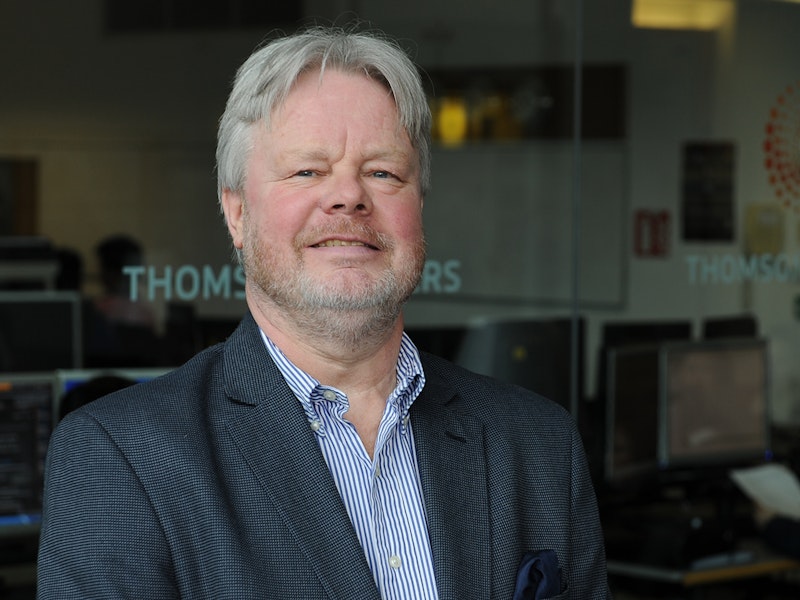
ICMA Centre Visiting Fellow Keith Arundale was recently published in the ICAEW’s Finance and Management Faculty’s report on “Growing your business”.
 ICMA Centre Visiting Fellow Keith Arundale was recently published in the ICAEW’s Finance and Management Faculty’s report on “Growing your business”.
Keith’s article titled “Nothing Ventured, Nothing Gained” details how venture capital can provide one of the most tried and tested means of securing funding for business development. Keith notes “Despite some rumours to the contrary, venture capital is alive and well in today’s financing climate.”
The “Growing your business” report is available from www.icaew.com
Keith Arundale is a visiting Fellow at the ICMA Centre and specialises in private equity and venture capital. He lectures on the MSc degree in Corporate Finance with responsibility for the elective module on Venture Capital.
He has also recently been appointed as ICAEW's representative on the Qualification Panel for the Diploma in Corporate Finance of the Chartered Institute for Securities & Investment (CISI).
You can find out more information on the MSc degree in Corporate Finance at the ICMA Centre by following this link.
You might also like

Students win summer graduation achievement awards
Every year at graduation, students from our undergraduate and master’s courses are offered prizes and awards for their performance and contribution throughout the academic year.

Should Investors Include Bitcoin in Their Portfolios? A Portfolio Theory Approach
There has been a lot of anecdotal discussion around the volatility of the price of bitcoin and whether or not a bubble is currently present in cryptocurrencies. Much of this impassioned debate is based around speculative trading activities but what would be the outcome if we considered its place as part of a balanced portfolio of investments?